


Is it worth moving from Vancouver to Kelowna? For many buyers, yes. As of the 2026 assessment roll, the typical single-family home in Kelowna was assessed at $918,000, less than half of Vancouver's $2,092,000, and Kelowna gets about a third of Vancouver's yearly precipitation. The trade-offs are a smaller job market, less transit, more snow and a mountain-highway drive back to the coast.
Last updated: November 11, 2026 · By Russell Mortlock, PREC
Vancouver vs Kelowna at a glance
| Vancouver | Kelowna | |
|---|---|---|
| Typical single-family home | $2,092,000 (down 5%) | $918,000 (down 2%) |
| Typical condo or townhome (strata) | $772,000 (down 3%) | $488,000 (down 1%) |
| Population (2021 Census) | 662,248, up 4.9% from 2016 | 144,576, up 13.5% from 2016 |
| Drive between them | About 4.5 hours by car, via Highway 1 and the Okanagan Connector (Highway 97C) | |
| Flight | Direct flights from Vancouver to Kelowna International Airport (YLW); Tourism Kelowna says many of YLW's flights take less than an hour | |
| Yearly precipitation Environment Canada climate normals, 1981–2010 | 1,189 mm | 387 mm |
| Yearly snowfall Environment Canada climate normals, 1981–2010 | 38 cm | 89 cm |
| Hours of bright sunshine a year Environment Canada climate normals, 1981–2010 | 1,938 | 1,949 |
| Airport | Vancouver International (YVR) | Kelowna International (YLW), about 15 minutes from downtown; 2,315,432 passengers in 2025 |
Home values are BC Assessment typical assessed values on the 2026 roll (market value as of July 1, 2025; change from a year earlier), City of Vancouver and City of Kelowna. Climate figures: Environment Canada climate normals, 1981–2010 (Vancouver International Airport and Kelowna Airport). Sources: BC Assessment (January 2, 2026); Statistics Canada 2021 Census; Tourism Kelowna; City of Kelowna (February 6, 2026). Full links at the end.
Why are people moving from Vancouver to Kelowna?
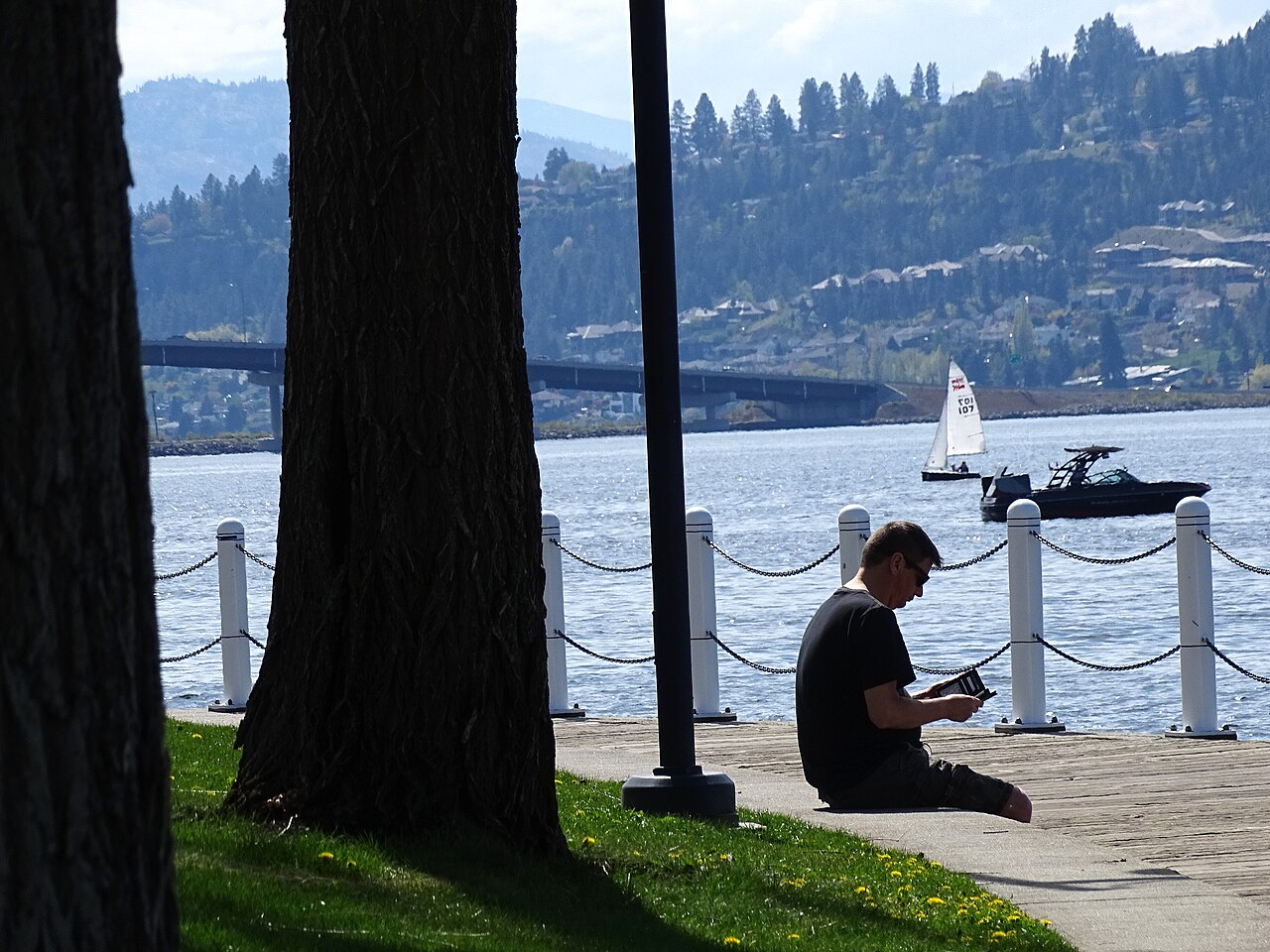
In our experience, buyers from the Lower Mainland usually come for three reasons: more home for the money, a drier and snowier climate with real seasons, and a lake-and-mountain lifestyle in a mid-sized city. Remote and hybrid work has made the move possible for many people who still have ties to the coast.
Kelowna is growing fast. Its population rose 13.5% between the 2016 and 2021 censuses, to 144,576, compared with 4.9% growth in the City of Vancouver over the same period. It is the largest city in the Okanagan, with UBC Okanagan, Okanagan College, Kelowna General Hospital and an international airport that handled a record 2,315,432 passengers in 2025, according to the City of Kelowna.
How much cheaper are homes in Kelowna than in Vancouver?
A lot, especially for houses. As of the 2026 assessment roll (market value at July 1, 2025), BC Assessment put the typical single-family home at:
- $2,092,000 in the City of Vancouver, down 5% from a year earlier, and
- $918,000 in the City of Kelowna, down 2%.
That is a difference of $1,174,000, or about 56% less in Kelowna. The gap is smaller for condos and townhomes: the typical strata home was assessed at $772,000 in Vancouver and $488,000 in Kelowna, about 37% less.
Assessed values are not asking prices. Lakefront, view and downtown homes in Kelowna can cost far more than the typical figure. Ask our team for recent sales in the neighbourhoods you are considering.
Many coastal buyers start with a condo. See the buildings our team recommends on our Kelowna condos page, and our picks by area on the Kelowna condos by neighbourhood page.
What is the drive and the flight like between them?
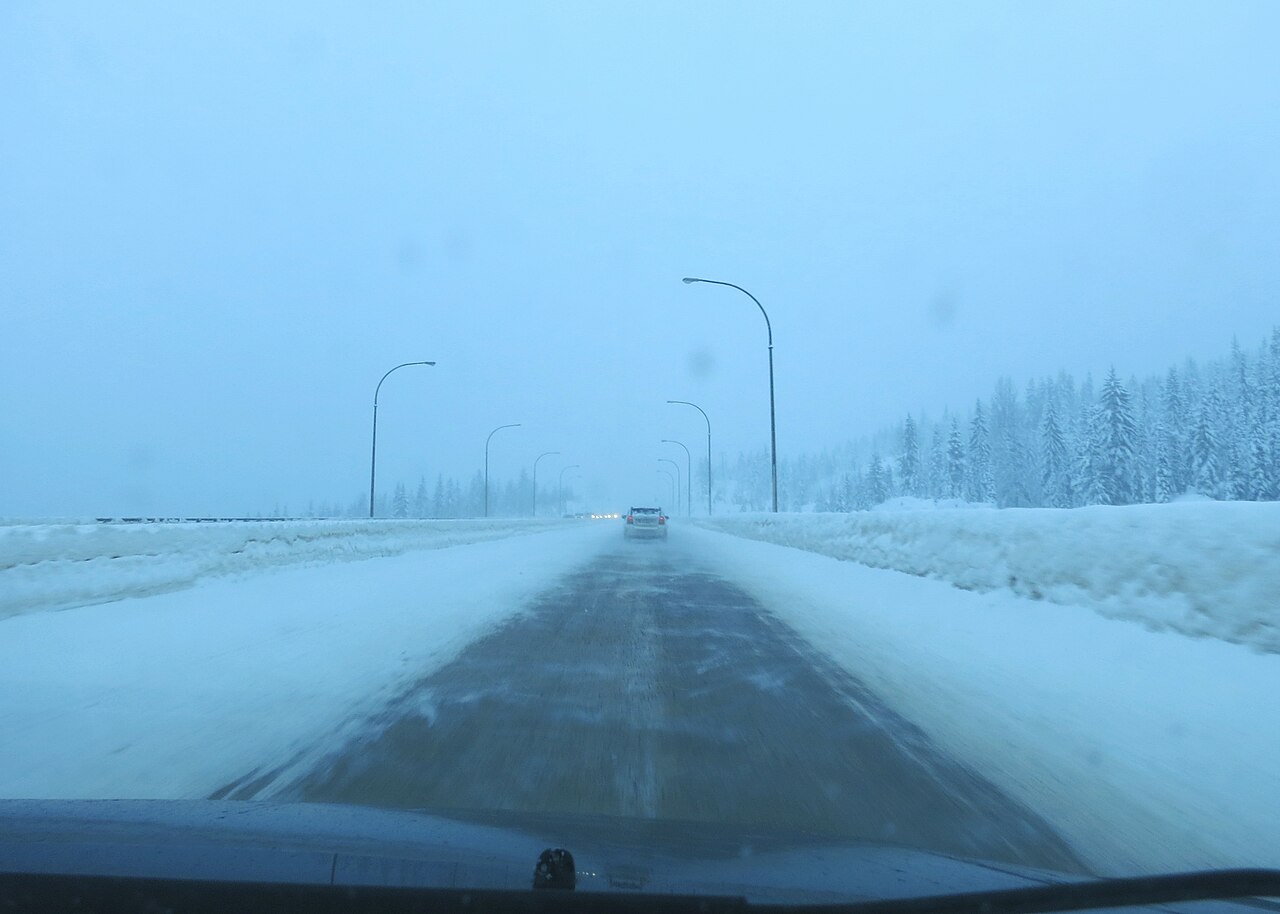
Driving. Tourism Kelowna puts the drive from Vancouver at about 4.5 hours, via Highway 1 and the Okanagan Connector (Highway 97C). The usual route also uses the Coquihalla Highway (Highway 5). These are mountain highways, and in winter conditions can change quickly.
- The Province of B.C. requires drivers to obey winter tire and chain signs from October 1 to April 30. On some highways outside mountain passes and high-snowfall areas, the requirement ends March 31.
- Check DriveBC for road conditions, closures and webcams before you leave.
Flying. There are direct flights between Vancouver and Kelowna, and Tourism Kelowna says many flights from YLW take less than an hour. The airport is about 15 minutes from downtown Kelowna. In our experience, being able to fly to the coast for a meeting or a family visit and be back the same day is one of the main reasons the move works for so many people.
What is the weather like compared to Vancouver?
Drier, with more snow. Based on Environment and Climate Change Canada's 1981-2010 climate normals:
- Precipitation: Kelowna Airport averages 386.9 mm a year, about a third of Vancouver International Airport's 1,189.0 mm.
- Snow: Kelowna averages 89.0 cm of snowfall a year, more than twice Vancouver's 38.1 cm.
- Sunshine: the two airports record almost the same hours of bright sunshine a year: 1,948.9 in Kelowna and 1,937.5 in Vancouver.
The bigger difference is when the sun shows up. Kelowna's summers are hot and dry, and its winters are colder and greyer than many people expect; Vancouver's winters are milder and much wetter.

What are the trade-offs?
These are the questions to answer honestly before you move:
- Jobs and wages. Kelowna's job market is much smaller than Metro Vancouver's, and some careers have fewer local options. If you work remotely, check how often you will need to be at an office on the coast.
- Transit. Kelowna has a bus system run by BC Transit, but nothing like SkyTrain. Most households here rely on a car.
- Winter driving. The Coquihalla and the Okanagan Connector are mountain highways. Winter tire and chain signs apply from October 1 to April 30, and some trips will need to wait for the weather.
- Healthcare and services. Kelowna has Kelowna General Hospital, but in our experience you will find fewer specialists and services than in Vancouver. If you need regular specialist care, ask about it before you move.
- Distance from family and friends on the coast. A four-and-a-half-hour drive or a short flight is easy for some people and hard for others.
Which Kelowna neighbourhoods do Vancouver buyers like?
In our experience, buyers from the coast are often drawn to:
- Downtown Kelowna, for a walkable waterfront, restaurants and condo living that feels closest to Vancouver.
- The Lower Mission, for beaches, lakeside condos and Pandosy Village.
- Glenmore and Wilden, for single-family homes and townhomes with room for a family.
- West Kelowna, across the bridge, for lake views and wineries.
Our guide to Kelowna vs West Kelowna compares home values, the commute and neighbourhoods on both sides of the lake. Browse current listings on our Kelowna area page. Prefer a smaller community near the airport? Read about living in Lake Country.
How do you buy in Kelowna while still living in Vancouver?
Many of our clients buy before they move. In our experience, this is what makes it work:
- Get pre-approved first, so you know your budget and can move quickly.
- Work with a local agent. A Kelowna agent can preview homes for you, tell you about the street and the neighbourhood, and spot things that do not show up in photos.
- Use video tours. Ask for a live video walk-through, not just the listing video, so you can ask questions and see the views, the noise and the neighbours.
- Visit once if you can, ideally to see a short list of homes in one or two days.
- Protect yourself with conditions. An inspection and financing subjects matter even more when you are buying from a distance. For most resale homes, B.C. buyers also have a three-business-day rescission period after their offer is accepted, with a fee of 0.25% of the price if they cancel.
- Sign remotely. Your lawyer or notary can arrange to have your documents signed where you live.
Thinking about a brand-new home? See every project on our Okanagan new homes and pre-sales page, and read our guide to buying a pre-sale in the Okanagan.
Moving to Kelowna FAQ
Is Kelowna cheaper than Vancouver?
For housing, much cheaper. On the 2026 assessment roll, the typical single-family home was $918,000 in Kelowna and $2,092,000 in Vancouver, and the typical condo or townhome was $488,000 against $772,000.
How long is the drive from Vancouver to Kelowna?
Tourism Kelowna puts it at about 4.5 hours, via Highway 1 and the Okanagan Connector (Highway 97C). Check DriveBC before you go, especially from October to April.
Does Kelowna get a lot of snow?
More than Vancouver. Kelowna Airport averages 89 cm of snowfall a year, compared with 38 cm at Vancouver International Airport, based on the 1981-2010 climate normals.
Is Kelowna sunnier than Vancouver?
Over a full year, about the same: both airports average just over 1,900 hours of bright sunshine. Kelowna is much drier, with about a third of Vancouver's precipitation.
Is Kelowna a good place to live?
Yes, for people who want lake and mountain living in a growing city with an airport, a university and a hospital. It suits people less if they rely on transit or need a job that is mainly based in Vancouver.
Get new Kelowna homes and condo releases first. Sign up on our Okanagan New Homes page.
See new homes and condos in Kelowna
About the author
Russell Mortlock, PREC
Russell Mortlock, PREC, is a REALTOR® with Mortlock-Wilk Real Estate Group, Real Broker B.C. Ltd. He helps buyers and sellers across the Okanagan and Revelstoke, with a focus on new construction and pre-sales, and is the selling agent for Boxfort's Revelstoke projects.
Sources
- BC Assessment, "Lower Mainland 2026 Property Assessments Announced" (January 2, 2026). bcassessment.ca
- BC Assessment, "Southern Interior 2026 Property Assessments Announced" (January 2, 2026). bcassessment.ca
- Statistics Canada, Census Profile, 2021 Census of Population: Vancouver and Kelowna. statcan.gc.ca
- Environment and Climate Change Canada, Canadian Climate Normals 1981-2010: Kelowna A. climate.weather.gc.ca
- Environment and Climate Change Canada, Canadian Climate Normals 1981-2010: Vancouver Int'l A. climate.weather.gc.ca
- Tourism Kelowna, Getting here by car. tourismkelowna.com
- Tourism Kelowna, Getting here by air. tourismkelowna.com
- City of Kelowna, "Kelowna International Airport welcomed 2.3 million passengers in 2025" (February 6, 2026). kelowna.ca
- Government of British Columbia, Winter driving (last updated November 24, 2025). gov.bc.ca
- DriveBC, current road conditions. drivebc.ca
- BC Financial Services Authority, Home Buyer Rescission Period. bcfsa.ca